


Trespass to Chattels Down the Ages
In times gone by the civil de bonis asportatis law distinguished between trespass to a person, trespass to chattels, and trespass to land. This physical contact could be negligent or willful, and might involve barring the owner’s access, removing the chattel, or even destroying it completely. We explore the world of virtual chattels in the second half of this article, that only arrived some centuries later.
Trespass to Chattels – A Broad Introduction
The original law of trespass in England only provided remedies where there was direct interference, regardless of the actual damage. Although United States law also considers whether there was actual dispossession, or injury to the chattel owner.
The key issues to consider are lack of consent to the trespass, interference with the right to possess, and the intention behind the deed. There are thus three broad grounds for claiming damage for a trespassed chattel, in theory at least.
LACK OF CONSENT
An agreement such as a loan or chattel mortgage can diminish an owner’s right to retain a particular possession. However, the trespasser may still be liable, if they exceed or misinterpret the terms of the agreement.
ACTUAL HARM
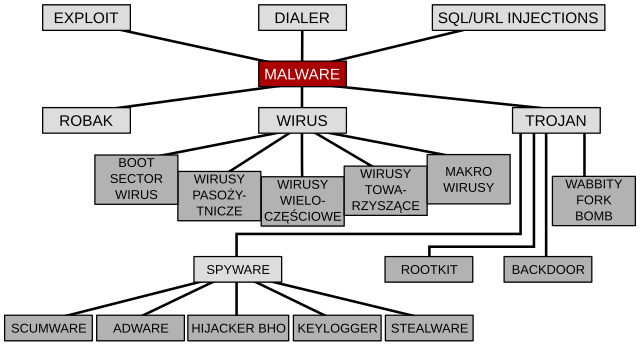
There must be some evidence of actual harm to the chattel. In the event of internet hacking for example, there should be loss of data, or damage to computer hardware or software.
INTENTION
United States law requires that the people committing a trespass to chattels must have done so intentionally. They must have known, with a fair degree of certainty, what they were doing. Although they may not have been aware that they were interfering with the owner’s right of possession.
Trespass to Chattels And Intellectual Property
Intellectual property refers to creations of the human mind. Here we think of inventions, patents, copyrights, literary and artistic works, designs and symbols, and names and images used in commerce. In times past these were mainly physical manifestations. But what about the virtual constructs of our minds that reside on the internet?
Traditional chattel law envisages personal physical possessions that we can touch and move around. Bitcoins are forms of investment, but where does personal intellectual property belong?
For a while now our law has applied the common law principles of trespass to electronic communications. The EU General Protection Regulation (GDPR) protects citizens’ personal information from abuse by third parties, including trespass to chattels.
Modern law also protects citizens from unsolicited bulk email messages, and many email services allow us to block these trespassers. In a business sense some companies use this provision to prevent competition accessing the data on their servers.
General Extension of These Principles to Data
Wikipedia confirms our courts are gradually extending this tort of trespass, from physical movable chattels to the digital world. Here we particularly think of electronic signals traveling through networks in the cyber world. However, a plaintiff must be able to prove two things to establish a basis for complaint:
- There must be a deliberate attempt to interfere with the plaintiff’s interest.
- The electronic trespass must cause quantifiable harm to their tangible property.
Protecting Intellectual Property Owner Rights
Intellectual property is a possession belonging to the individual or company that created it, or their assignee. As such, intellectual property is a chattel of a different kind. This type of possession may be a physical manifestation, or it may only exist in digital form on a server, on the internet.

The ‘sweat of the brow’ principle in law states that the author of an intellectual property right ‘earns it’ through their diligence in creating the item. This means that usurping this right falls within the ambit of trespass to chattels.
It follows that the creators of virtual chattels have the same degree of possession as those in the ‘brick and mortar’ world. They are equally entitled to the preservation of their rights. This is why the images in this article cite their creative commons (CC) licenses, and provide direct links to conditions for their use.
Principles of Copyright in the United Kingdom
United Kingdom copyright law automatically protects the rights of creators of the following original works against wilful trespass to chattels:
- Original literary works, including software.
- Original dramatic works.
- Original musical works.
- Original artistic works.
- Films and sound recordings.
- Broadcasts and typed arrangements
Although there are exceptions, the creator of a work is presumed to be the first owner of any copyright. However, this does not include work done in the course of employment, or work by an officer or servant of the Crown.
More Information


