


Treating hoarding disorder is a challenge that has the best doctors scratching their heads. Part of the problem they face is many of their patients simply do not see their behaviour as a problem. Many hoarders also seem unaware how they are affecting their families, even their neighbours next door.
Ways of Treating Hoarding With Some Success
This is not to say that medical science has not made any progress. Hoarding is a difficult condition to treat. But some affected individuals can still adapt their behaviour, if they get the right support and professional attention.
Cognitive Behavioral Therapy For The Disorder
Cognitive behavioral therapy is a form of talk treatment, in which the hoarder meets with a specialist therapist regularly. They chat over their emotions, thoughts, and behaviors surrounding their hoarding practice. The hope is they will understand themselves better, and find a way to manage their impulses.

Treating hoarding disorder in this way, is, we believe, the most successful method for moderating this condition. However, it is highly unlikely to provide a permanent cure. At best, the patient may have a better understanding of why they hoard objects, and indirectly develop skills for sorting and discarding clutter.
Prescribing Medication For the Hoarding Condition
There is no cure-all ‘magic potion’ for hoarding. However, hoarders suffering from depression may receive some relief under close medical supervision,by taking selective serotonin ‘reuptake inhibitors’.
We are not medical professionals, and we may not provide medical advice. However, we understand that serotonin is a neurotransmitter, that may, perhaps, have a positive influence on mood, emotion and sleep.
Learning to Cope With An Incurable Condition
If we can’t cure a medical condition of the body or the mind, then we have no option, we have to learn to live with it. And that includes the hoarder, as well as their family and friends too.
If you are a hoarder, or know someone with the condition, then you may find the following advice helpful. We sourced it from a highly credible website, namely The Mind a registered charity. You may like to read what follows as a general background. Although there is no substitute for qualified medical advice.

Treating Hoarding Disorder by Managing It
If hoarding has got hold of you, or you know someone in that position, then you are probably taken aback to learn you may have to live with it. This could be the first time that you heard that treating hoarding disorder, may only have limited success.
Getting Ready to Start Managing Your Hoarding
Begin by setting yourself small targets, like getting rid of a few small things, or tidying a room in your home. If you had some success, try converting this to a daily routine. Ask yourself, do I really need this stuff?
Find some new activities to brighten your spirits and lift your depression. Take a walk in a park, watch a movie, or browse in the local library. Become more selective about the things you allow to enter your home.
Keep Yourself Motivated by Tracking Progress
You may struggle to keep motivated, if your days pass in a meaningless blur. Find ways to keep track of your progress, including some of these, perhaps:
- Take before and after photos of your home as you slowly clear rooms and spaces.
- Ask a friend to pop by and help you achieve your targets. Two pairs of hands are better!
- Consider using a contractor like Avery Associates who clear whole rooms at a time.
- Celebrate significant milestones by spoiling yourself with a meal out, or luxury take-in.
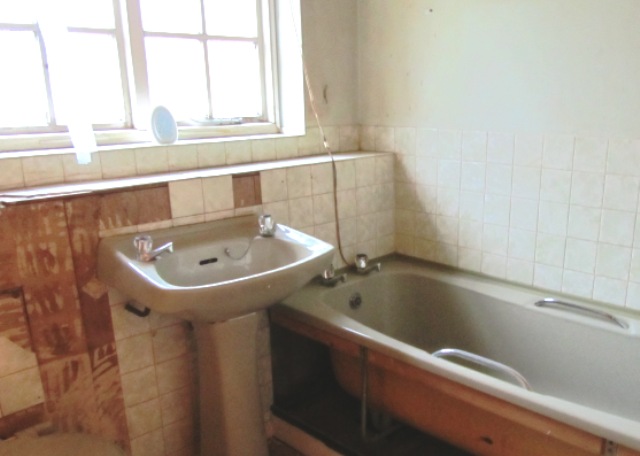
A Bathroom Cleared And Cleaned by Avery Associates
Don’t Bottle Up Your Frustrations and Emotions
It’s hard work clearing a home of clutter. Trust us, we do it for a living. Don’t try to do it all on your own. Self-treating hoarding disorder goes a lot better in a team. Reach out to someone else on the phone, so you can share your feelings.
Take things a step further by attending a group therapy session, and making friends with another hoarder in your town. Exchange virtual diaries over WhatsApp. Meet for a coffee and a cake. Above all else, take care of yourself.
Become Proud of Yourself Again
Don’t allow yourself to hide away from others. Hoarding is a recognized medical condition, and there’s no need to feel ashamed. Explain your situation to your family and friends. And if they want to help, grasp the opportunity with both hands.
Please Give Us a Call If We Can Help
Avery Associates regularly clears hoarded homes in Greater London. In fact, we have been doing this for thirty years. Consider asking us to do the ‘heavy lifting’ for you, and take away the clutter you no longer want.
More Information
The Main Causes of Hoarding In Homes
Support for Someone with Hoarding Disorder
Jeff, I want to thank you and your team for the wonderful effort in completely clearing my father’s house, garage, shed and garden. From the first point of contact you have been polite, friendly and extremely professional. I would certainly have no hesitation to recommending your services. Many thanks, Dave Malcolm


