


Applying for probate is relatively simple nowadays, give or take the complexity of a will. What’s more, we can travel to the probate court and back on the wings of the internet. However, there was a different approach to probate in medieval England. Why you might have to ride for a day on a fast horse to attend an ecclesiastical court.
Probate In England Prior to 1066.
A loose federation of Nobility ruled England before the Normans arrived, with a succession of Kings more-or-less in control. There were no separate ecclesiastical and secular courts back then. The clergy attended to rule on religious matters.
Probate in Mediaeval England After Harold
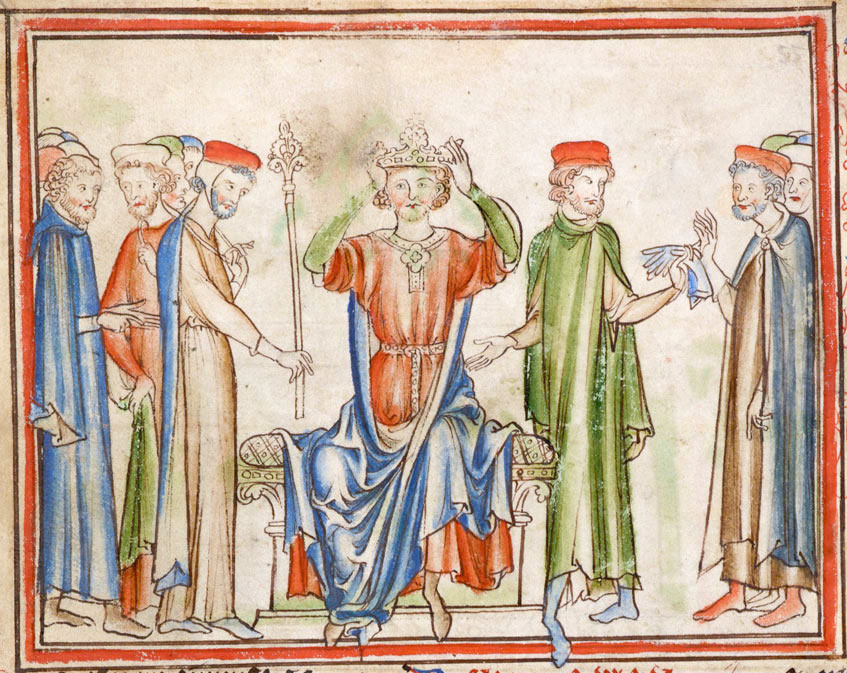
The Norman Conquest brought a semblance of order by introducing the feudal system of hierarchical land tenure. According to it, no subject in the Kingdom was allowed to own land. Instead, they could ‘own’ an interest in a parcel that ‘belonged’ to a superior person.
Under this arrangement every piece of land in England was ‘held’ by some Lord through some kind of service. However, those ‘rights’ were derived through grace of the King, who was the ‘lord paramount’ to whom all land ultimately ‘belonged’.
This system casts a long shadow over land tenure in England, where the Land Registry recognises freehold, and leasehold property rights. However, the Norman feudal system also seized control over probate at the same time.
Probate in Medieval England After Harold
The Norman system introduced two levels of Courts. These separated the ecclesiastical (matters of faith) from the secular (theoretically everything else). The unexpected result of this to modern eyes at least, was the clergy now had jurisdiction over ‘succession to personality’ which comes down to us as the laws of succession. While the secular Courts ruled over freehold interests extending to jurisdiction over wills.
When a ‘leasehold tenant’ died without heirs, then ‘their land’ escheated (returned) to their superior lord. Therefore, the Norman Conquest ultimately obliterated the right to pass legal title to another person, but for the King himself. However, probate in mediaeval England was to change again.
Tudor House Changes Probate in England
Henry VIII promulgated a series of new rules in his Statute of Wills in 1540. By this, all persons – excluding married minors, infants, idiots, and persons of unsound mind – could pass feudal tenure rights, and two thirds of land by knight service to third parties. This effectively introduced the idea that land was divisible.
However, these laws took little interest in the goods or chattels of a deceased estate. These were of far less interest, and presumably value than land. But they were of considerable interest to the Church, which believed it had an interest.
The English Church Muscles Into Probate Business.
Religious values of the time included a belief a deceased person should devote of their property to the faith ‘for the good of their soul’. Therefore any will must make provision for the saying of masses to release them from purgatory.
In reality, this requirement was so strict it reminds us of failure to pay inheritance tax, to the extent the Church regarded the lack of a bequest as akin to a grievous sin. Put differently, testators had a social obligation to do so.
In this way the Church Courts gained control of the deceased’s chattels. It ordained that the Bishop’s Court verify the will, and ensure the executor implemented the will correctly. But in our secular society this is now in the remit of the UK Probate office.
The Relevance of Medieval Probate Today
We wrote this post to help explain how England arrived at what many believe is a quaint probate system. Probate in medieval England helps us understand how wills and intestate estates came to be handled the way they are. It also provides a glimpse of how the idea developed, of giving something back to the community when we die.
So pleased to have found Avery Associates when we had to clear a three floor town house. The probate valuations for house and contents were swiftly done and advice on an auction company and solicitor given. When cleared the property was left in good order, Very impressed the carpets were all hoovered and everything left ready for the next stage. The doors given extra locks for added security. From the first communication to the end result everything was achieved to a very high standard and I would not hesitate to recommend this company or use them again should the need arise. (A Wenham)

