


It is a perfectly natural thing to become attached to possessions, on account of their practical, aesthetic, or financial value. People with hoarding syndrome become overwhelmed by their behaviour. But there is more to hoarding than simply gathering too many things. Let’s discuss the psychology of hoarding syndrome together, for there is much to discover.
Let’s Start With an Introduction to Hoarding Syndrome
A syndrome is a set of signs, and symptoms suggesting an underlying medical condition. Hoarding syndrome displays as an ongoing difficulty parting with things, because the hoarder believes they should keep them. If unchecked, this obsession can negatively affect the hoarder and those around them.
Research into the psychology of hoarding syndrome suggests hoarding affects 6% of people in the adult population, without gender bias. The British Psychological Society suggests that early signs of hoarding syndrome appear in early puberty, although these are generally ignored by family and friends.
The process continues until a person with hoarding syndrome reaches their forties, by when it may be more obvious. As the person ages further, issues of physical illness, fading memory, physical mobility, and the loss of a loved one may reinforce an inclination to hoard.
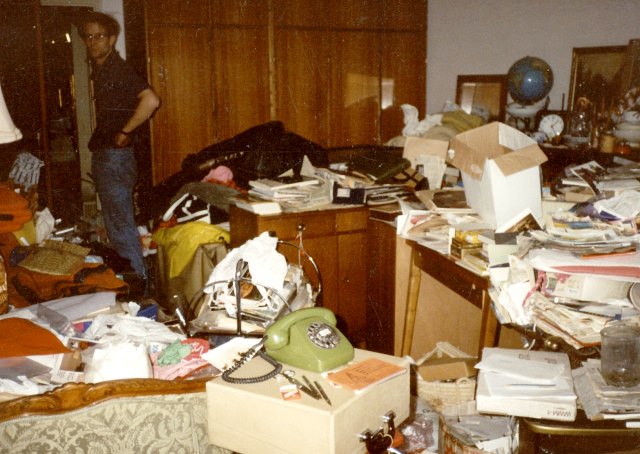
The Psychology of Helping Hoarders Cope
Hoarding syndrome can be difficult for friends to cope with, because hoarders seldom accept they have a problem. Once we understand this aspect of the the psychology of hoarding syndrome, it may make sense to focus on the social impact. The conversation could begin this way:
- I understand that you need to keep things because you like them, in case you need them later.
- However, I am concerned that you can’t use the kitchen counters, and worried you could burn yourself.
- Therefore, how about we tidy the kitchen, while deciding if there are things we could send for recycling?
We are far more likely to get a positive reaction with tactics like this. This is because we treat the hoarder with respect, and avoid confronting them directly.
The Difference Between Hoarders and Collectors
Hoarders accumulate things on the fly, because of a subjective impulse they may be unable to control. Collectors, on the other hand, select their acquisitions carefully on the basis of their real value or aesthetic appeal. We can see further evidence of this logical approach in the way they display their collections.

Attic Surrendered to a Collection ©Avery Associates)
People with hoarding syndrome are poles apart from collectors. They collect almost anything, including stuff that most of us may regard as rubbish. Hoarders also have difficulty organising their clutter. They soon lose interest in clearing their stuff away.
Interestingly enough, in terms of the psychology of hoarding syndrome, collectors love to show their collections off, and share and swap-out items with their peers. Hoarder are far less likely to share their interest with their dwindling number of friends, who simply cannot understand.
Digging Deeper Into Hoarding Psychology
Our conversation moves on to consider the drivers behind why people collect particular things, and the value they attach to them. Classic motivation theory includes the following laws of attraction that shed some light on the matter:
- Some items have intrinsic value that we rationally accept they hold. The antiques, art works, furniture, and jewellery that we value at Avery Associates are examples of this objective type of worth.
- Items of instrumental value have some practical property that we can use. We might decide to hang on to a used car we inherit so our children can learn to drive. This is very different from inheriting a classic vintage car!
- Some items that we collect do not fit into this neat paradigm. We hang on to the family photographs our parents bequeathed us, because of their sentimental value. They evoke our deep feelings and personal memories.
- And then, there are also items of cultural value, that reflect the core beliefs of our society in terms of what is good and right. These can be a sign of personal status, over and above the other three values.

Medal for Valour from a Grateful King: Image © Avery Associates
So What Triggers Hoarding Syndrome Behaviour?
Hoarding behaviour seems to relate to instrumental value most, as in ‘I am keeping these things for some future use’. The triggers for this, and the drivers behind them, are too complex for a post of this length. Here’s a link to another article on our website, if you would like to investigate this matter further.
Our Closing Thoughts for Today
People with severe hoarding syndrome may accumulate so much clutter, that their homes became dangerous, or at the very least unhygienic to put it mildly. There’s no option at this stage, other than to clear the home, or move the hoarder to a care situation.
Clearing a hoarder’s home is an unpleasant task. Avery Associates offers a bespoke home clearing service. Give us a call on Freephone 0800 567 7769, or drop us an email when convenient. We will be delighted to take the burden of clearing a hoarded home off your back.
More Information
Five Degrees of Hoarding to Watch For
Does My Parent Have Hoarding Disorder?
Great service from Jeff, he was fair with pricing, and did an amazing job with the clearance of my great uncles flat. Will definitely use again in the future. Nathan


