


Much clinical effort has gone into reshaping hoarding behaviour, without a clear pattern of success. Current thinking centers on the principles of cognitive behavioural therapy. Researchers at University of New South Wales, report some success with rescripting images and memories.
Two Quick Definitions Before We Begin
Cognitive Behavioural Therapy
Cognitive behavioural therapy works on the premise that mental issues arise in part from faulty or unhelpful thoughts. This line of treatment encourages patients to identify these distortions, understand their origin, and adapt own thinking patterns.
Rescripting Images and Memories
Rescripting images and memories counters a natural tendency to shun upsetting thoughts in our minds, and push them away. However, this avoidance can make us fearful of these thoughts, and allow them to dominate us. This line of treatment helps us rewind the memories behind the images.
The University of New South Wales Project
The University of New South Wales team knew that hoarding disorder is a highly debilitating condition, and that it deteriorates with age. Its victims have difficulty discarding clutter, on account of deep emotional attachment. Many hoarders also deliberately avoid treatment for their condition.
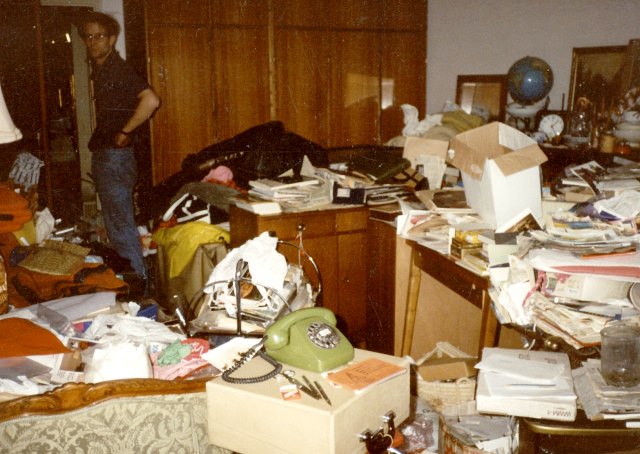
The scientists from the University’s Grisham Research Laboratory, also understood that hoarders “experience more frequent, intrusive and distressing mental images in their daily lives”. The Grisham Research Laboratory is an experimental clinical research group on the Sydney, Australia campus.
Prior Hoarding Research at Grisham Laboratory
The researchers based their work on the premise that people who hoard, experience frequent, regular distressing mental images. These may be negative, and include feared outcomes of what will happen to their clutter if they abandon it.
But these images may also be more general in nature, and have to do with a personally catastrophic memory from their past. Such thoughts may lead to deep anxiety, remorse and regret. And this can in turn overshadow any attempt to get rid of their clutter.
The Grisham team previously had limited success with evidence-based treatments. These are clinical interventions that center on the outcomes of undesirable behaviour. In the team’s experience, this helped less than a third of patients to show clinically meaningful changes that endured.
Rescripting Images and Memories From the Past
The candidates for evidence treatments at Grisham Research Laboratory, displayed clinically high rates for refusal and dropout. Therefore, the researchers applied their minds to rescripting images and memories from the past instead.
This offshoot from cognitive behavioral therapy encourages patients to modify their memories with benign or positive information. The intent is to override negative mental scenarios that prevent them clearing away clutter, which in severe cases can horrify their loved ones.
“This method is typically used to reduce distress associated with negative memories”, notes team member Isaac Sabel. “However, it’s had success with other disorders characterised by future-focused mental imagery, such as generalised anxiety and obsessive-compulsive disorder,”
On a previous occasion Jessica Grisham, founder of the lab remarked, “Images can link our past, present and future. Rescripting memories that may have triggered hoarding – going back and meeting those needs – may open up the doorway for greater treatment outcomes, and greater positive impact on clients’ lives.”
Learning Moments From the Image Rescripting Study
The Grisham Research Laboratory study sourced its findings from online interviews with 176 people, who agreed to participate. The overall goal was to determine whether rescripting images and memories helped the high-hoarding subjects discard a particular item.

The subjects who participated in the Grisham Research Laboratory study, first wrote down the imagined outcomes of discarding their selected items. Following that, the subjects randomly entered one of four treatment programs:
- Image and memory rescripting, as we described earlier in this article.
- Cognitive restructuring to identity and disregard irrational thoughts.
- Engaging with anxiety-producing images to reduce their impact.
- Dwelling on positive mental imagery in order to improve their mood.
The team then asked the subjects to discard the selected items, and describe their emotions and feelings. The study findings demonstrated that “participants who engaged in imagery rescripting were happier, more motivated and more likely to discard their items”.
Moreover, that group of subjects also reported reduced anxiety, sadness, and anger, and increasing feelings of happiness and relaxation around discarding items, relative to imaginal exposure and cognitive restructuring. However, individual ratings varied according to their ability to visualize impacts.
The Implications For Clearing Hoarded Houses
These findings appear to confirm that house clearances have better outcomes when hoarders have thought things through, and confirmed their acceptance at least. This is one of the reasons why we do not clear homes without the occupant’s consent, or a firm order from a person with authority.
If you and your compulsive hoarder have agreed that it is time to shift their clutter, then consider using Avery Associates as your service provider. We have a dedicated team of well trained assistants. You will find working with us a real pleasure, as we take the stress out of the process.
More Information
Clearing a Tenant Hoarder House


