


Did you ever wonder what happens inside a hoarded house in England? Many folk have no idea, although they may have wandered past several gardens full of junk down the years. The truth of the matter is that junk has real value to the people who stashed it there, but why is this?
Hoarding disorder is a case of where people have more possessions than they reasonably require. And they store them in a chaotic way, quite unlike your avid coin or stamp collector. We explore this condition in some detail, and uncover some facts you may not know.
However, it is important to note that there are shades of difference, with all hoarders somewhere on spectrum. Every one of us may have a cluttered corner on our desk, of things that might prove useful someday. However, a compulsive hoarded house in England is different, as we explain below.
Typical Characteristics of a Hoarder’s Home
- Clutter interferes with daily living. There are untidy piles of stuff in every room. Using the bathroom or kitchen becomes quite a challenge.
- This situation affects quality of life, and other people living in the house. They are afraid to do much about it though, for fear of an angry retort from the hoarder.
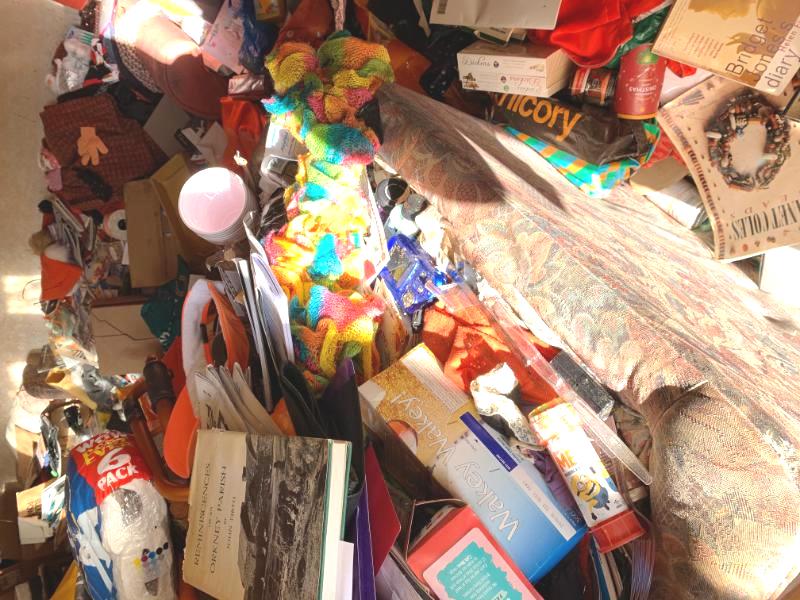
A Hoarded House that Avery Associates Cleared©
Hoarding Affects 5% of Adults in England
There is no proven medical ‘cure’ for hoarding because it is not a disease. Many experts regard it as a lifestyle issue, although it can be counterproductive if taken too far. Some social workers believe 5% of UK adults have the condition, while other estimates range between 2% and 6%.
The hoarding syndrome is stubborn, and resists all attempts to eliminate it. There is also little consensus as to what triggers it, although these are are theories such as these:
- Compulsive hoarding may be an outward sign of another condition triggering it. For example, where a person has a mobility issue, and is physically unable to deal with clutter.
- People with learning disabilities – or developing dementia – may be mentally unable to categorise things as valuable or valueless, and dispose of the latter regularly.
- Severe depression, obsessive-compulsive behaviour, and schizophrenia can affect the way people think and behave, and value their possessions.
But many hoarded houses in England are also symbols of self-neglect and slothful lifestyles. Statistics suggest some lonely, unmarried people are more prone to it. As also are those with deprived childhoods, or who grew in a cluttered home where they never learned to prioritise.
Are People Who Collect Things Also Hoarders?
No not at all! Hoarders’ homes are disorganised places filled with junk and clutter, at least in terms of generally accepted social values of worth. Collectors, on the other hand have well-ordered displays of socially-worthwhile items, and they display them with great pride.

A Place for Everything and Everything in Its Place©
How Can I Tell If My Friend Is a Hoarder?
Your friend may have the disorder if they display some or all of the following, but this is not necessarily the case.
- They accumulate objects with little or no monetary value
- These items may include consumer packaging and junk mail
- Hoarders often struggle to classify things and make decisions
- They may have difficulty with everyday cooking and cleaning
- Hoarders may become excessively attached to some items
- Although they may have poor relationships with family or friends
Why Interventions are Sometimes Unavoidable
Some hoarded houses in England become social disasters, as they seize virtual control of their hoarder’s life. The affected person may face a health, or safety risk as rubbish and filth take over their lives. They may trip over something and fall badly, especially if they are an older person. Rats can move into their home and spread disease.
If you face a heart-breaking situation like this, then you should speak to an NHS doctor or social worker about your friend. They may try anti-depressant medication, or cognitive behavioural therapy to see which option works best. However, there may come a time when you need to intervene personally for safety’s sake.
Clearing hoarded homes in England seldom brings permanent relief, as long as the person remains there. They will keep rebuilding their ‘collections’, because that’s what compulsive hoarders do. That’s why some hoarders eventually move to assisted living, leaving the chaos, potentially including valuable items behind for their relatives to sort out.
How Avery Associates Can Help With the Task
We are not NHS doctors and we are not social workers either. We are however professional valuers of collectibles, and able to sift these out before our clearance team arrives. But please don’t take our word for it, hear what other people say first. And then, if you wish to take this further call 0800 567 7769, or send us a quick email for a rock-solid response.
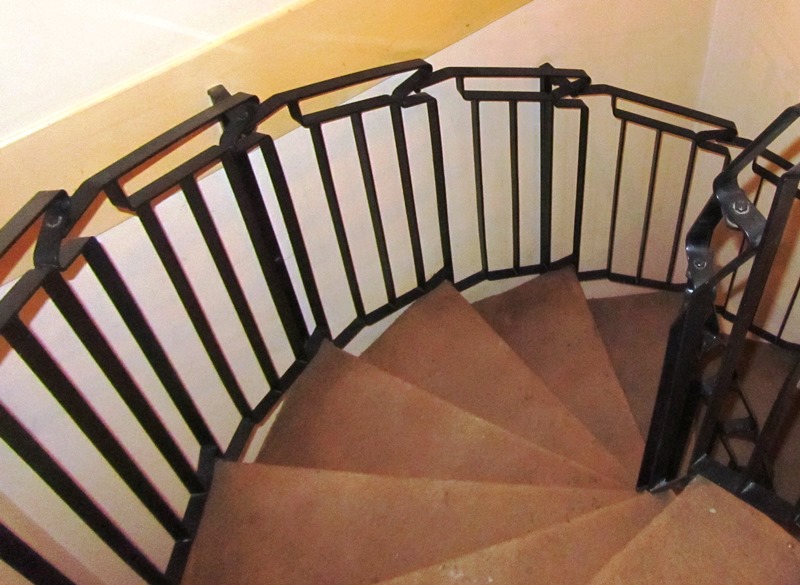
A Hoarded House Successfully Cleared by Avery©
A Recent Avery Associates Review
Our aunt was a recluse and hoarder. She died leaving two properties in London that were dilapidated and completely hoarded … We highly recommend Jeff and Avery Associates to anyone dealing with a loved-ones passing, and the challenges it causes…

