


If you have a relative who has piles of stuff accumulating in their house, then its quite possible you have a compulsive hoarder on your hands. We wrote this post to share things you may not know about this condition, and how to go about helping a relative hoarding to an extent that’s concerning you.
What is Hoarding and How to Help a Relative
Hoarding is a psychological state in which a person has a significant amount of clutter they find impossible to get rid of. They develop an emotional attachment to these possessions, to an extent that they obstruct their day-to-day living.
However, it is an over-simplification to imagine we can call in a house clearance team, and instruct them to throw all the clutter in a skip. We say so, because this will not stop the hoarding, and could even inflict emotional pain.
Try to see things from your relative’s perspective instead:
- They have a compelling need to accumulate clutter without a clear purpose.
- Continuing accumulating stuff is a positive experience, and they feel good.
- Even thinking about clearing it away upsets them and makes them feel anxious.
- They would find it hard to imagine getting rid of their things, or even tidying up.
But how did your hoarder get into this situation in the first place? Knowing that could be a first step to helping your relative hoarding for the sake of it.

Helping a Relative Hoarding: A Possible Strategy
If it is impractical to force a house clearance on a hoarder, then what else can we do? The solution could be to enter the mind of the person in the situation, and reason how it makes sense to tidy their home:
- Help them become aware that they can’t lay their hands on important things easily.
- Point out that their piles of stuff make it difficult to get the front door and toilet.
- Explain that having a clear bathroom and kitchen should promote personal hygiene.
- Discuss basic safety. They do need to keep doors, windows and any staircases clear.
However, we should be careful not to embarrass our hoarding relative in the process. For if we do that, then we could cause them to retreat deeper into themselves, and become even more depressed.
Helping a relative hoarding clutter should not have negative consequences that reinforces their habit further. To explain why, we turn our attention to hoarding stigma next.
Tips To Note When Advising a Hoarder
Your goal should be to offer general support, and to help your relative live safely with hoarding syndrome. Insisting on a massive clean-out could be futile in the long run, because you cannot force a hoarder to change.
When you follow these tips you may have some success, although please don’t expect things to change overnight:
- Remember to act politely, and to be respectful at times. Never try to force, or trick your hoarder into changing their lifestyle.
- Never stigmatize them by using things like ‘clutter’ or ‘hoarder’ either. You run the risk of them taking on board a public stereotype.
- Don’t blame them either, because their behaviour is involuntary. Hint at the possibility of medical advice if you sense an opportunity.
- Whatever else you do, never make threats of any kind. You could cause your hoarder to withdraw further into isolation.
A Positive Approach to Assisting a Hoarder
It could be critically important not to insist on a total clear-out of a hoarder’s collection, or even their entire home. Your main focus should be your relative’s safety and well-being, as you work towards better living conditions.
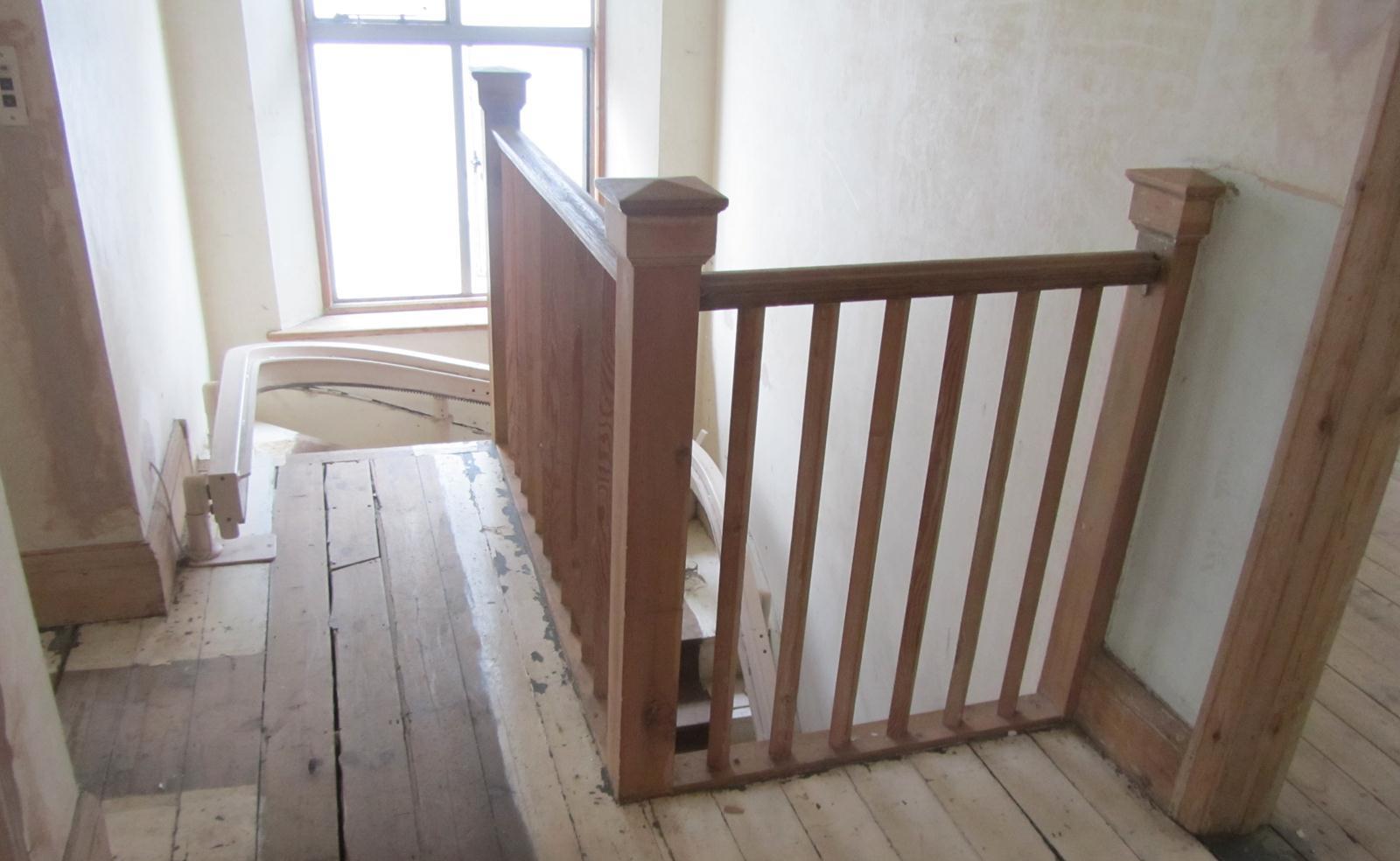
Hoarded House Clearance by Avery Associates©
Above all, hear what your relative would like to happen with their home and possessions. Let them become the focus of everything you do. Remember, you are trying to help them, not satisfying your own standards.
Helping a relative hoarding an impossible amount of clutter begins with them understanding you are there for them, and you want to help. Never force your way into their home. It is their sanctuary, after all. Why not meet for coffee elsewhere instead, and plan the way forward together?
What To Do If You Have Some Success
Never rush in, if your hoarder agrees to relinquish some of their clutter. Set them free to retain their dignity, by remaining in control of what happens next. You can, and will make progress if you remember the following:
- Your hoarder’s home is their own space, and they are in charge of it.
- Be patient and understanding, as you allow them time to prepare.
- Provide practical support as they clear the clutter from their home.
Avery Associates provides a one-stop home clearance service, with the emphasis on removing hoarded clutter, and helping to close-out deceased estates. Please contact us if we can be of assistance, and be assured of our personal service at all times.
More Information


