


Deceased estates and UK tax obligations are tied up tightly in a ball, that may seem tough to untangle at first sight. However, if we keep our cool – and follow sage advice such as Low Incomes Tax Reform Group provides – we may not need a solicitor after all. But we hasten to add if we need specialist advice we should seek it promptly.
Deceased Estates and UK Tax Up to Time of Death
This article explains how to deal with the tax affairs of a deceased person up to the moment they breathed their last. Note up front the executor must pay all taxes due – and claim any refunds – before sharing an estate among beneficiaries. Unless they want to run the risk of facing The Tax Tribunal on a cold winter’s day…

The executor’s first task is to identify the deceased’s obligations to HM Revenue and Customs (HMRC) at the moment of their death. These are likely to span two tax years, although a call to HMRC should help confirm this.
However, deceased estates and UK tax matters may become more complex if the person concerned was employed, retired, or on welfare benefits in the tax year that they died. Again, HMRC may be able to confirm details to their personal representative.
Drilling Down into Income and Gains
But there is no real substitute for the deceased’s papers and personal records. A thorough search of their home is almost bound to turn up pay slips, bank statements, interest certificates from banks, dividend vouchers, stockbrokers’ statements, notices about pensions or state benefits, and there may be more.
However, and here’s the catch nowadays, much of this information is stored on the internet behind password-protected firewalls. But once again a letter of probate or administration often gets the executor past these hold points. They have to really, if they want to successfully value the underlying capital and distribute the assets fairly.

But you may like to try to short-circuit the process to an extent, by using the free, online Death Notification Service. While this does not replace the death certificate in any way, it is nonetheless a neat way to notify participating banks, building societies, utility companies, insurance companies, and telecomm service providers a death has taken place.
Deceased Estates and UK Inheritance Tax
UK inheritance tax for deceased estates works on a threshold basis. An estate is therefore obligation free, provided:
- The value of the estate is below the £325,000 threshold.
- The will leaves everything above £325,000 to the surviving spouse.
- Or it goes to the civil partner, a charity or a community amateur sports club
However, it is still necessary to advise HMRC of the estate’s value.
HOW TO CALCULATE INHERITANCE TAX
The standard rate of inheritance tax above the £325,000 threshold is 40%. As an example, let’s imagine an estate with a value of £500,000. Of this amount, the upper £175,000 is liable for tax. The 40% tax on this is £70,000, and this is due to HMRC before any assets may be shared among heirs.
RELIEFS AND EXEMPTIONS TO CONSIDER
- The inheritance tax rate may reduce to 36%, provided the deceased leaves 10% or more of the value, minus any debts to a charity in their will
- Certain prescribed gifts made less than 7 years before the death may incur tax at a tapering rate that reduces over time.
- Relief is also possible on the value of a business in an estate for inheritance tax purposes. The value of the benefit depends on the circumstances.
More Help Available from HMRC
HMRC has a helpline for administrators to seek advice on income tax and capital gains tax matters. The service is open during the period before sending in a tax return. However, this is a virtual service using voice recognition. And so the user may learn the most about deceased estates and UK tax, by answering with short phrases and single words,
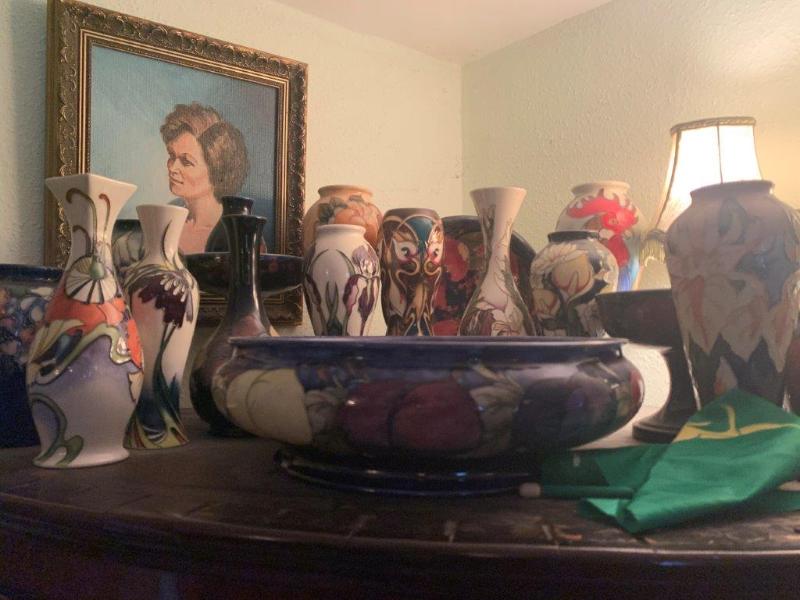
Found and Valued by Avery Associates©
Last Words on Deceased Estates and UK Tax
There’s a host of advice available to help with deceased estate-related tax matters. These include trusted friends and family members, solicitors, and service providers such as Avery Associates. HMRC also has an Extra Support Team able to advise further on how to proceed. However, disposing a deceased estate always begins with valuing the assets.
How Avery Associates Helps With This
If you are dealing with a deceased estate for the first time, then you may benefit from comprehensive advice on identifying and valuing the assets, which is the logical place to start.
Avery Associates could help you with this by valuing the assets for tax purposes, including property and collectible items with intrinsic value. We also provide a home clearance service should you require it.
We have been doing this work for many years. Our people are professional and discreet, and much of our work comes from recommendations from previous clients.

